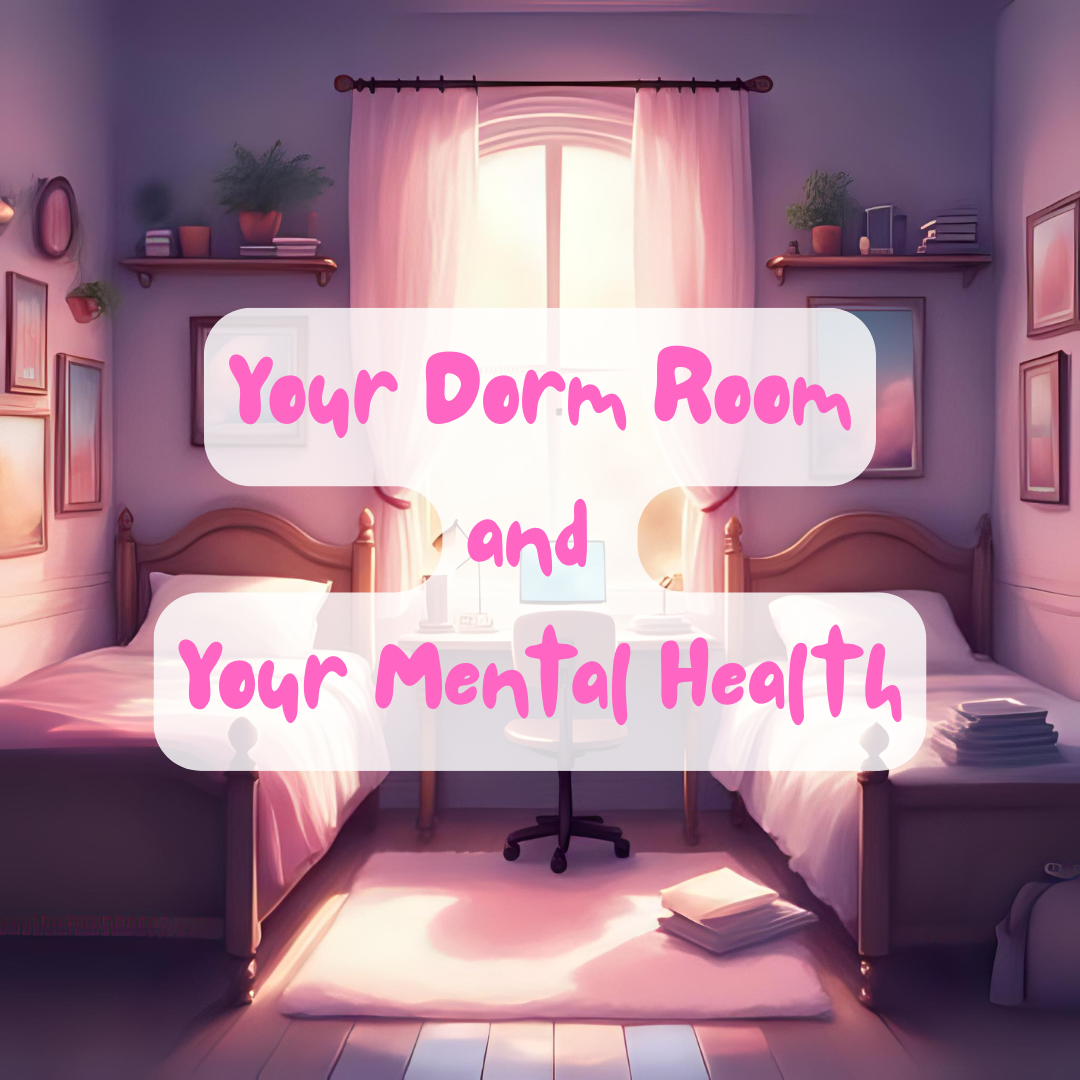

For many college students, the dorm room is more than just a place to sleep it’s a sanctuary, a study zone, a social hub, and sometimes, a source of stress. As mental health challenges among college students continue to rise, researchers and universities are paying closer attention to how the dorm environment influences well-being.
The Psychology of Space
Environmental psychology tells us that our surroundings deeply affect our emotions, cognition, and behavior. A cluttered, poorly lit, or impersonal dorm room can contribute to anxiety, depression, and difficulty concentrating. Conversely, a well-organized, personalized space can foster calm, focus, and a sense of control
Lighting, color, and layout all play a role. Natural light helps regulate circadian rhythms and mood, while warm-toned lighting can reduce stress in the evenings. Colors like blue and green are known to promote calm and focus, while clutter competes for attention and drains mental energy
Dorm Room Ambiance and Stress Levels
A study conducted by Hope College found that students who felt their dorm room closely matched their ideal ambiance, defined by traits like privacy, community, and self-expression, reported lower stress levels throughout the semester. Interestingly, students experiencing higher stress early on were more likely to improve their room’s ambiance later, suggesting that personalizing space may be a coping strategy
Designing for Mental Wellness
Universities are beginning to recognize the importance of dorm design in supporting mental health. Schools like NYU have created low-sensory rooms for neurodiverse students, and others are investing in wellness zones and relaxation spaces. These initiatives reflect a growing understanding that physical space can either support or hinder emotional well-being
Students themselves can take proactive steps to improve their dorm environment:
- Plan your layout to create distinct zones for studying, relaxing, and sleeping.
- Use decor intentionally—plants, photos, and art can personalize your space and boost mood.
- Keep it organized—smart storage solutions reduce clutter and cognitive overload.
- Communicate with roommates to establish boundaries and shared responsibilities.
Conclusion: Your Dorm Room Is a Mental Health Tool
While college life is full of challenges, your dorm room doesn’t have to be one of them. Thoughtful design, personalization, and organization can transform even the smallest space into a supportive environment. Whether you’re navigating stress, seeking focus, or simply trying to feel at home, your dorm room can be a powerful ally in your mental health journey. Dorm Divas is here to ensure all students can achieve their perfect home away from away!